
Japanese design, renowned for its meticulous attention to detail and profound cultural roots, extends its artistry to everyday objects like contact lens cases. This aesthetic, often characterized by minimalist elegance and rich symbolism, offers a captivating glimpse into Japanese design principles. From the subtle color palettes to intricate patterns, these cases reveal a deep connection between form and function.
This exploration delves into the core elements of Japanese contact lens case design, examining the materials, textures, and patterns that create this unique aesthetic. We’ll analyze how traditional Japanese art forms and cultural influences shape the design, providing a comprehensive overview of the captivating world of Japanese contact lens case artistry.
Defining Japanese Aesthetic in Contact Lens Cases
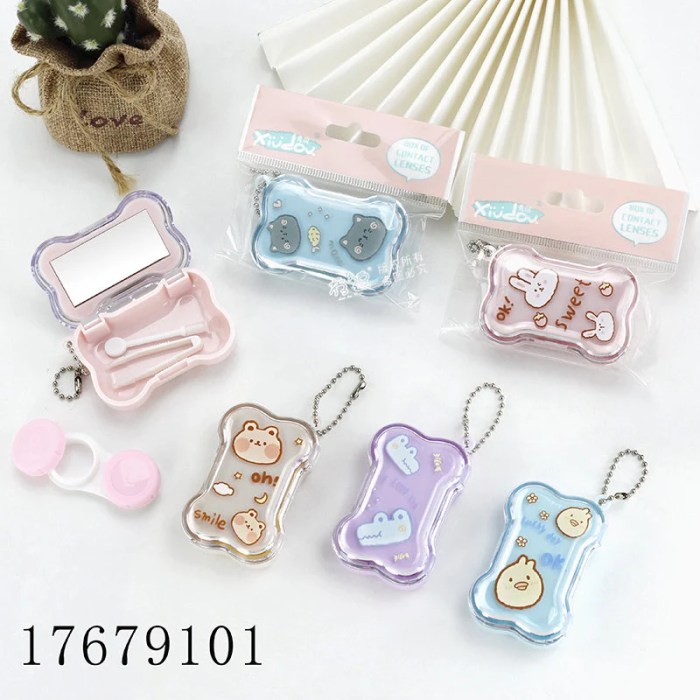
Japanese design, renowned for its meticulous attention to detail and profound cultural roots, extends to a wide array of products, including contact lens cases. This aesthetic often blends practicality with a refined sense of beauty, drawing on centuries of tradition and contemporary innovation. The aesthetic qualities found in these cases reflect a nuanced understanding of form, function, and symbolism, making them a compelling intersection of design and culture.Japanese design frequently prioritizes minimalism, emphasizing clean lines and uncluttered forms.
This aesthetic principle translates to contact lens cases, which often feature smooth surfaces and simple, elegant designs, emphasizing functionality without sacrificing visual appeal. This focus on practicality and refined simplicity is a hallmark of Japanese design philosophy.
Visual Elements and Color Palettes
Japanese-inspired contact lens cases often showcase a range of visual elements. Common motifs include delicate floral patterns, stylized landscapes, and abstract geometric designs, reflecting the rich artistic heritage of Japan. Color palettes frequently lean towards muted tones, including soft pastels, subtle earth tones, and deep blacks, creating a calming and sophisticated impression. These color choices resonate with Japanese sensibilities, which often favor harmony and tranquility.
The use of a limited color palette is common, with subtle gradations and shading adding depth and complexity.
Cultural Influences
Japanese culture, with its deep-rooted respect for nature, tradition, and craftsmanship, significantly influences the aesthetic preferences of contact lens cases. The reverence for natural elements, such as cherry blossoms and bamboo, is often reflected in the subtle motifs used in these products. The concept of “侘び寂び” (wabi-sabi), emphasizing the beauty of imperfection and impermanence, is also subtly present in the design, which is seen in the intentional use of natural materials and muted colors.
The emphasis on simplicity and harmony in everyday life permeates the aesthetic of Japanese contact lens cases.
Popular Design Trends and Applications
Several popular Japanese design trends have been applied to contact lens cases, demonstrating the adaptability and versatility of the aesthetic. For instance, the use of minimalist, geometric shapes is prevalent in contemporary designs, reflecting the modern Japanese approach to design. Furthermore, intricate details, such as delicate brushstrokes or subtle textural patterns, add a touch of artistry and sophistication to the cases.
These trends demonstrate the ability of Japanese design to seamlessly blend tradition with modern sensibilities. The use of natural materials, such as bamboo or wood, often appears in more sustainable and environmentally conscious designs.
Symbolism and Meaning
Japanese design motifs often carry symbolic weight, adding layers of meaning to contact lens cases. For example, the cherry blossom (sakura) symbolizes beauty, transience, and renewal, while bamboo signifies strength, flexibility, and resilience. These symbols, subtly incorporated into the design, resonate with the user, adding a personal and cultural significance to the everyday object. The use of specific colors and patterns can also carry deeper cultural meanings, reflecting the rich tapestry of Japanese history and beliefs.
Specific Design Elements in Contact Lens Cases
Japanese contact lens cases are more than just containers; they’re meticulously crafted expressions of the nation’s aesthetic sensibilities. Beyond simple functionality, these cases often incorporate subtle yet powerful design elements that speak to a deep-rooted cultural appreciation for beauty and precision. The careful selection of materials, textures, and patterns, combined with the emphasis on minimalism and functionality, results in a unique aesthetic experience.Japanese contact lens cases often transcend their utilitarian purpose, becoming miniature works of art.
This attention to detail, combined with the emphasis on understated elegance, reflects a broader cultural preference for understated beauty and refined craftsmanship. The designs often resonate with the concept of
wabi-sabi*, a philosophy that embraces imperfection and the beauty of natural materials.
Materials and Textures
Japanese contact lens cases frequently utilize a range of high-quality materials, often emphasizing their natural qualities. The selection of materials often reflects a concern for both durability and aesthetic appeal. Premium plastics, such as polycarbonate or high-impact ABS, are commonly used for their strength and clarity. Natural materials like bamboo or wood are sometimes incorporated for a touch of warmth and sophistication.
The textures used are equally significant, with smooth, polished surfaces often juxtaposed with subtly textured patterns or subtle engravings. This contrast adds depth and visual interest. The choice of material often correlates with the desired aesthetic of the case, with some brands favoring a sleek, modern look using smooth plastic while others emphasize a more traditional feel with natural textures.
Patterns and Motifs
Japanese contact lens cases frequently feature distinctive patterns and motifs, drawing inspiration from various cultural and artistic traditions. These patterns often convey a sense of harmony and balance. Traditional Japanese designs, such as cherry blossoms, bamboo, and stylized waves, are prevalent, reflecting the deep connection to nature and cultural heritage. Furthermore, minimalist designs using subtle patterns, such as delicate lines or geometric shapes, are also popular, showcasing a contemporary approach while maintaining a Japanese aesthetic.
Some brands incorporate subtle Japanese calligraphy or symbols, adding a layer of cultural richness to the case.
Brand Aesthetics
Different Japanese contact lens case brands showcase varying approaches to aesthetic design. Some brands focus on a clean, minimalist design, using simple shapes and neutral colors. Others might employ more elaborate patterns or incorporate specific cultural motifs. For instance, a brand known for its contemporary approach might use sleek, geometric patterns, while a more traditional brand might feature intricate cherry blossom designs or bamboo motifs.
Comparing the aesthetics across brands reveals a diverse range of styles, reflecting the versatility and depth of Japanese design principles.
Minimalism and Functionality
Japanese contact lens cases frequently prioritize both minimalist design and practical functionality. The emphasis on minimalism often results in sleek, streamlined shapes and understated color palettes. The designs often prioritize ease of use and efficient storage, demonstrating a focus on utility. The cases are frequently compact and lightweight, designed for portability. This balance of minimalism and functionality creates a harmonious design that appeals to a wide range of users.
Furthermore, the attention to detail extends to features like secure closures and ergonomic designs, ensuring comfort and convenience.
Color Palettes and Color Combinations
Japanese aesthetics, deeply rooted in tradition and culture, often manifest in subtle, sophisticated color palettes. These palettes, frequently used in consumer products like contact lens cases, evoke a sense of serenity and understated elegance. The careful selection of hues and their harmonious combinations plays a crucial role in creating a visually appealing and culturally resonant design.Harmonious color combinations are not merely aesthetic choices; they reflect underlying cultural values and psychological associations.
The choice of color palettes in Japanese design often communicates a sense of balance, tranquility, and connection to nature, all of which contribute to a positive user experience.
Typical Color Palettes
Japanese contact lens cases frequently employ muted tones and natural color palettes. These include earthy tones like beige, taupe, and various shades of brown, often inspired by traditional Japanese landscapes and natural materials. Soft pastels, such as lavender, mint green, and light peach, also feature prominently, creating a calming and serene visual effect. The use of black and white, while seemingly simple, adds a sophisticated touch, creating a striking contrast that balances the more subdued colors.
Harmonious Color Combinations
The use of harmonious color combinations in contact lens cases is a key aspect of Japanese design. Examples include the pairing of a soft beige with a muted sage green, evocative of the natural world. Another harmonious combination is the use of a deep, rich brown with a light lavender, representing a blend of strength and tranquility. The subtle interplay of colors often results in a sophisticated and sophisticated aesthetic that resonates deeply with Japanese sensibilities.
Cultural Significance of Colors
Colors hold deep cultural significance in Japan. For example, the color red (beni) is often associated with good fortune and festivity, while green (midori) symbolizes nature and renewal. Furthermore, black (kuro) represents sophistication and elegance. The selection of color palettes in contact lens cases is often influenced by these deeply ingrained cultural associations, aiming to connect with the user on a deeper level.
Psychological Impact on the User
The color palettes employed in Japanese contact lens cases have a significant psychological impact. Muted tones and natural colors evoke a sense of serenity and calmness, creating a peaceful atmosphere. The use of pastels and soft tones further contributes to a relaxing and comforting experience. This approach directly addresses the user’s emotional needs, enhancing their overall well-being.
Design Palette Scheme
This palette scheme, inspired by traditional Japanese aesthetics, aims to evoke a sense of serenity and natural beauty:
| Color | Hex Code | Description |
|---|---|---|
| Pale Beige | #F5F5DC | Evokes a sense of warmth and comfort, reminiscent of natural materials. |
| Muted Sage Green | #90C29A | Symbolizes nature and tranquility, creating a soothing ambiance. |
| Light Lavender | #D8BFD8 | Represents serenity and sophistication, adding a touch of elegance. |
| Deep Brown | #694F34 | Evokes a sense of strength and sophistication, balancing the lighter tones. |
This palette offers a balanced and harmonious blend of colors, reflecting the core values of Japanese aesthetics.
Materials and Textures
Japanese contact lens cases, reflecting a meticulous attention to detail, often feature a sophisticated interplay of materials and textures. This careful selection not only enhances the visual appeal but also contributes to the cases’ durability and user experience. The choice of material directly impacts the overall aesthetic, influencing the case’s tactile qualities and perceived value.Japanese design philosophy emphasizes functionality and aesthetics.
Materials are carefully chosen for their ability to create a harmonious balance between form and function, reflecting the principles of
侘び寂び* (wabi-sabi), which embraces the beauty of imperfection and natural materials.
Common Materials
The selection of materials for contact lens cases in Japan frequently leans towards lightweight, durable, and aesthetically pleasing options. Common materials include polypropylene (PP), a versatile plastic known for its strength and resistance to chemicals, and high-impact polystyrene (HIPS), offering a balance between cost-effectiveness and durability. Biocompatible materials, while not as prevalent in the exterior, are critical in the inner components for direct lens contact.
These often include medical-grade polymers.
Textures and Visual Impact
The textures applied to these cases are often subtle yet impactful. Matte finishes, for instance, create a sophisticated, understated elegance, while smooth, glossy surfaces provide a sleek, modern aesthetic. Sometimes, subtle texturing, like a micro-pattern or a brushed effect, adds visual interest without detracting from the case’s overall simplicity. These nuanced choices contribute to a refined, high-end feel.
Practical Considerations
The choice of material is guided by several practical considerations. These include the need for hygiene, chemical resistance to prevent lens degradation, and the ease of cleaning. Lightweight materials contribute to comfort, and durability is paramount to ensure longevity and avoid breakage. The material selection is meticulously planned to meet these requirements while maintaining the desired aesthetic.
Examples of Material Contributions
A contact lens case crafted from translucent PP with a matte finish, for instance, conveys a sense of understated elegance. Its lightweight feel and smooth surface provide a comfortable grip, while the matte texture adds visual depth and sophistication. Conversely, a HIPS case with a glossy finish might be chosen for its budget-friendly nature and the ability to highlight a vibrant color palette.
Material, Texture, and Visual Appeal
| Material | Texture | Visual Appeal |
|---|---|---|
| Polypropylene (PP) | Matte, Smooth | Subtle elegance, understated sophistication |
| High-Impact Polystyrene (HIPS) | Glossy, Textured | Sleek modernity, vibrant color showcase |
| Medical-grade polymers (inner components) | Smooth, Biocompatible | Hygiene and lens protection |
Patterns and Motifs

Beyond the minimalist elegance and sophisticated color palettes, Japanese contact lens cases often feature intricate patterns and motifs, adding a layer of cultural richness and visual appeal. These designs draw upon centuries of artistic traditions, imbuing the cases with symbolic meaning and historical context. The careful selection of patterns not only enhances the aesthetic but also reflects the wearer’s appreciation for Japanese artistry and cultural heritage.
Common Patterns and Motifs
Japanese aesthetics frequently incorporate patterns that resonate with the country’s rich history and cultural values. These patterns are carefully chosen to evoke specific feelings and convey deeper meanings. From nature-inspired motifs to abstract designs, the patterns in contact lens cases reflect a desire to blend beauty with cultural significance.
Examples of Patterns
- Floral patterns, particularly cherry blossoms (sakura) and chrysanthemums (kiku), are prevalent. Cherry blossoms symbolize the ephemeral beauty of life, while chrysanthemums represent longevity and resilience. These delicate motifs are often rendered in intricate detail, showcasing the artistry of traditional Japanese printmaking techniques. Their incorporation into contact lens cases creates a sense of serenity and grace.
- Geometric patterns, such as those found in traditional textiles and ceramics, are another popular choice. These patterns often incorporate symbolic elements, like the “ten” (ten thousand) or “shi” (four) to express ideas of completeness and prosperity. Their use in contact lens cases adds a sophisticated and structured aesthetic.
- Animal motifs, including cranes, carp, and tigers, also appear frequently. Cranes, for instance, symbolize longevity and good fortune, while carp represent strength and perseverance. These symbols, often depicted in elegant line work, add a touch of dynamism and cultural significance to the designs.
- Abstract patterns, often inspired by Japanese calligraphy or ink painting, offer a more contemporary take on the traditional motifs. These abstract designs capture the essence of Japanese artistry through their fluidity and artistic expression. They are often used to create a sense of serenity and a connection to the natural world.
Symbolic Meanings
The symbolic meanings behind these patterns often go beyond their visual appeal. For instance, cherry blossoms represent the transient beauty of life, while cranes signify longevity and good fortune. The choice of a particular pattern can be intentional, reflecting the wearer’s personal values or aspirations. This connection between the pattern and its meaning adds depth and personal significance to the contact lens case.
Design Incorporation
Patterns are incorporated into contact lens case designs in a variety of ways. They can be applied as intricate prints, delicate embellishments, or even as the primary visual focus. The patterns’ scale, color, and placement are all carefully considered to create a harmonious and visually engaging design. For instance, a small, detailed cherry blossom print might complement a minimalist color palette, while a larger, bolder carp design could stand out against a contrasting backdrop.
Comparative Analysis of Patterns
| Pattern | Aesthetic Impact | Symbolic Meaning | Historical Context |
|---|---|---|---|
| Cherry Blossoms | Delicate, serene, ephemeral beauty | Transience, beauty, renewal | Deeply rooted in Japanese culture, representing spring and renewal |
| Geometric Patterns | Sophisticated, structured, balanced | Completeness, prosperity, harmony | Reflecting traditional Japanese aesthetics in architecture and textiles |
| Animal Motifs (e.g., Cranes) | Dynamic, powerful, auspicious | Longevity, good fortune, strength | Representing cultural values and beliefs about nature and the spirit world |
| Abstract Patterns | Contemporary, artistic, fluid | Connection to nature, artistic expression | A modern interpretation of traditional Japanese aesthetics |
Historical and Cultural Significance
The use of these patterns in contact lens cases connects to a rich tapestry of Japanese art and culture. These patterns have been used in various forms of art, from traditional textiles and ceramics to contemporary design, for centuries. Their inclusion in contact lens cases is a way to honor and celebrate this rich artistic heritage. The patterns are deeply rooted in the culture, representing values and beliefs passed down through generations.
Visual Representation of Functionality
Japanese design, renowned for its meticulous attention to detail, seamlessly integrates functionality with aesthetics in contact lens cases. This fusion prioritizes not just the visual appeal but also the ease and comfort of use, reflecting a deep understanding of user needs. The resulting products are both visually striking and exceptionally practical, a hallmark of Japanese design philosophy.Japanese designers prioritize the user experience in every stage of the design process.
This consideration extends to the small details of a contact lens case, ensuring that the product is not just beautiful but also efficient and intuitive. The visual form and structure of the case are carefully crafted to enhance the overall user experience.
Form and Structure for Enhanced Functionality
The form and structure of Japanese contact lens cases are not merely aesthetic choices; they are integral to the case’s practical function. The shape and dimensions are designed to optimize the fit and handling of the lens solution and the lens itself. Consider a case with a tapered opening. This seemingly simple design feature facilitates easy lens insertion and removal, minimizing the risk of accidental damage.
Similarly, the placement of compartments or dividers within the case optimizes space utilization and prevents the lens solution from sloshing, maintaining its freshness and preserving the integrity of the lens.
Design Features Enhancing User Experience
A multitude of design features contribute to the user experience. These features are often subtly integrated into the overall aesthetic, blending seamlessly with the visual language of the product. The tactile properties of the case materials, for example, are carefully considered to provide a comfortable and secure grip. The use of soft-touch materials or textured surfaces ensures that the case is not only aesthetically pleasing but also reassuring to hold.
Moreover, thoughtfully placed indentations or grooves aid in opening and closing the case, making the process intuitive and user-friendly. The careful selection of hinges, latches, or closures ensures that the case remains securely closed, preventing accidental spillage.
Connection Between Design Features and Practical Functions
| Design Feature | Practical Function |
|---|---|
| Tapered opening | Facilitates easy lens insertion and removal, reducing the risk of damage. |
| Compartments/Dividers | Optimizes space utilization, preventing lens solution spillage, maintaining lens freshness. |
| Soft-touch materials/textured surfaces | Provides a comfortable and secure grip. |
| Indentations/Grooves | Intuitive opening and closing mechanisms. |
| Secure closures (hinges, latches) | Ensures the case remains securely closed, preventing accidental spillage. |
| Ergonomic shape | Comfortable and secure handling. |
Influences from Japanese Culture
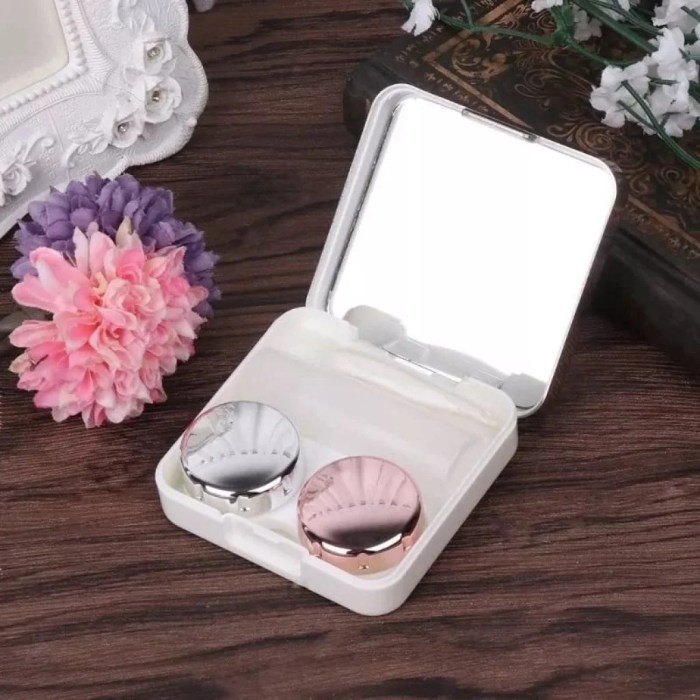
Japanese aesthetics, deeply rooted in centuries of tradition, offer a rich tapestry of inspiration for contemporary design. From the meticulous attention to detail in traditional crafts to the philosophical concepts embedded in art forms like calligraphy and ceramics, Japanese culture offers a unique lens through which to view the creation of beautiful and functional contact lens cases. This influence is evident in the careful consideration of form, material, and symbolism that shapes these products.The application of Japanese cultural elements to contact lens cases goes beyond mere aesthetic appeal; it reflects a commitment to quality, craftsmanship, and a harmonious integration of design with function.
The meticulous attention to detail, a hallmark of Japanese artistry, translates directly to the creation of high-quality cases, highlighting the enduring power of these cultural influences.
Traditional Art Forms in Contact Lens Case Design
Japanese art forms like calligraphy, woodblock prints, and ceramics often feature intricate patterns and motifs. These elements can be incorporated into contact lens case designs in various ways. For example, subtle calligraphy-inspired patterns might be etched into the case’s surface, or stylized depictions of cherry blossoms, a common motif in Japanese art, could be subtly rendered on the exterior.
The incorporation of these motifs is not just about decoration; it’s about evoking a sense of place and cultural heritage within a seemingly everyday object.
Reflection of Wabi-Sabi in Design
The concept of wabi-sabi, a Japanese aesthetic philosophy that embraces imperfection, asymmetry, and the beauty of natural aging, can significantly impact the design of contact lens cases. Cases incorporating this philosophy might feature slightly uneven edges, subtle variations in color, or natural textures like wood or bamboo. The subtle imperfections and the natural materials used would speak to the concept of wabi-sabi, emphasizing the inherent beauty found in the natural world.
For instance, a contact lens case crafted from natural bamboo with a slightly irregular surface could exemplify this aesthetic, suggesting a sense of tranquility and appreciation for the inherent beauty of imperfections.
Craftsmanship and Detail
Japanese craftsmanship is renowned for its meticulous attention to detail. This ethos is seamlessly integrated into contact lens case design, influencing every aspect from the selection of materials to the precision of the manufacturing process. The level of detail extends to the selection of materials. For example, the use of high-quality, hand-finished lacquer on a case speaks to the commitment to a high standard of workmanship.
Furthermore, the consideration of how the case interacts with the user’s hand, adding a touch of elegance and sensitivity to the overall experience, exemplifies the emphasis on the integration of function and aesthetics.
Comparison with Other Styles
The Japanese aesthetic in contact lens cases stands apart from other prevalent design styles, particularly minimalist and modern approaches. While these styles often prioritize clean lines and simplicity, the Japanese aesthetic incorporates a deeper layer of cultural symbolism and subtle artistry. This intricate approach, focusing on meticulous craftsmanship and evocative imagery, distinguishes it from more straightforward designs.
Key Differences and Similarities
The Japanese aesthetic in contact lens cases often features intricate patterns, delicate details, and a focus on visual storytelling. Minimalist designs, conversely, emphasize simplicity and functionality with a muted color palette and clean lines. Modern designs, while sometimes incorporating geometric patterns, typically lean toward a more straightforward and utilitarian approach. A shared element across these styles is the importance of quality materials and manufacturing, though the Japanese aesthetic adds a unique emphasis on craftsmanship and tradition.
Unique Characteristics of the Japanese Aesthetic
The Japanese aesthetic in contact lens cases is characterized by a blend of tradition, nature, and artistry. These elements are frequently woven into the design, creating a sense of depth and sophistication. For example, the use of natural motifs like cherry blossoms, bamboo, or waves evokes a sense of serenity and connection to the natural world. Furthermore, the intricate details, often reflecting Japanese calligraphy or traditional designs, add a layer of artistic expression.
Contrasting Design Styles
| Design Style | Key Characteristics | Visual Focus | Example |
|---|---|---|---|
| Japanese Aesthetic | Intricate patterns, subtle artistry, cultural symbolism, emphasis on craftsmanship, natural motifs | Storytelling, connection to nature, emotional resonance | A lens case featuring a hand-painted cherry blossom design on a wood-grain texture. |
| Minimalist | Clean lines, simple shapes, muted color palettes, functionality | Simplicity, clarity, efficiency | A lens case with a smooth, matte finish and a single, understated color. |
| Modern | Geometric patterns, sleek silhouettes, contemporary materials, often with a focus on innovation | Clean lines, functionality, often with a touch of futurism | A lens case with a polished aluminum exterior and a minimalist geometric design. |
Distinguishing Elements
The Japanese aesthetic distinguishes itself through a combination of elements. Firstly, the deliberate use of traditional motifs and imagery adds a layer of cultural depth and emotional resonance. Secondly, the emphasis on meticulous craftsmanship ensures a high level of detail and quality, unlike some minimalist or modern approaches that may prioritize mass production. Finally, the careful selection of materials and textures often reflects a reverence for nature and traditional Japanese aesthetics, adding an extra layer of refinement to the design.
Potential Future Trends
The Japanese aesthetic in contact lens cases is poised for evolution, driven by consumer desires for personalized experiences and sustainability. Innovations in materials and manufacturing, coupled with a growing emphasis on minimalist design, will shape the future landscape of this niche market. This trend anticipates a shift from simple functionality to integrated aesthetics, reflecting the sophisticated taste and cultural sensibilities of Japanese consumers.
Material Innovations
The quest for sustainable and innovative materials will be a key driver. Bio-based plastics, incorporating plant-derived components, will likely gain traction, addressing environmental concerns while maintaining the desired durability and strength. Bio-plastics’ integration could be enhanced by incorporating iridescent or luminescent properties, further enriching the aesthetic appeal. Similarly, recycled materials, including repurposed plastic from discarded electronics, will likely become more prevalent, reflecting the Japanese emphasis on resourcefulness and environmental consciousness.
This sustainable approach is already gaining traction in various consumer goods, indicating its potential impact on contact lens cases.
Technological Integration
Smart contact lens cases, incorporating microchips or sensors, are a potential future trend. These devices could provide personalized care recommendations, track usage patterns, and even offer features like self-sterilization or light-emitting displays. Imagine a case that alerts the user to replace the solution or recommends a specific lens cleaning regimen based on their usage. The technology, already prevalent in other personal care items, is primed to find its place in the contact lens industry, offering a more holistic and proactive approach to eye health.
Customization and Personalization
The emphasis on personalization will likely extend to contact lens cases. Consumers will demand greater control over their aesthetic choices. This could manifest in customizable colors, patterns, and even unique engravings or inscriptions. 3D printing technology could be employed to produce highly personalized designs and shapes, catering to individual preferences. Furthering this personalization, cases might even be customized to accommodate specific lens types, offering a seamless integration between product and user.
Emphasis on Minimalism
The enduring appeal of minimalism in Japanese design will continue to influence the aesthetics of contact lens cases. Sleek, uncluttered designs, with a focus on clean lines and subtle detailing, will likely dominate. Cases might incorporate minimalist color palettes, focusing on neutral tones with subtle accents to highlight functionality without compromising elegance. The goal will be to achieve an aesthetically pleasing and uncluttered design, perfectly aligned with the Japanese appreciation for refined simplicity.
Impact on the Market
These evolving trends will significantly impact the contact lens case market. Increased consumer demand for sustainable materials, technologically advanced features, and personalized design options will drive innovation and reshape the product offerings. Manufacturers that embrace these changes will likely capture a larger market share. Ultimately, this evolution of Japanese aesthetic trends in contact lens cases will lead to more sophisticated, personalized, and environmentally conscious products, aligning with the growing market preference for sustainable and aesthetically appealing products.
Last Word

Japanese contact lens cases showcase a harmonious blend of functionality and aesthetics, reflecting the country’s rich cultural heritage. The intricate details, thoughtful material choices, and symbolic patterns contribute to a unique and compelling design language. This analysis highlights the enduring appeal of Japanese design principles, suggesting a continued evolution and potential for future innovations in the field.
